What Professional Sewage Cleanup Includes After the Water Is Gone
Published
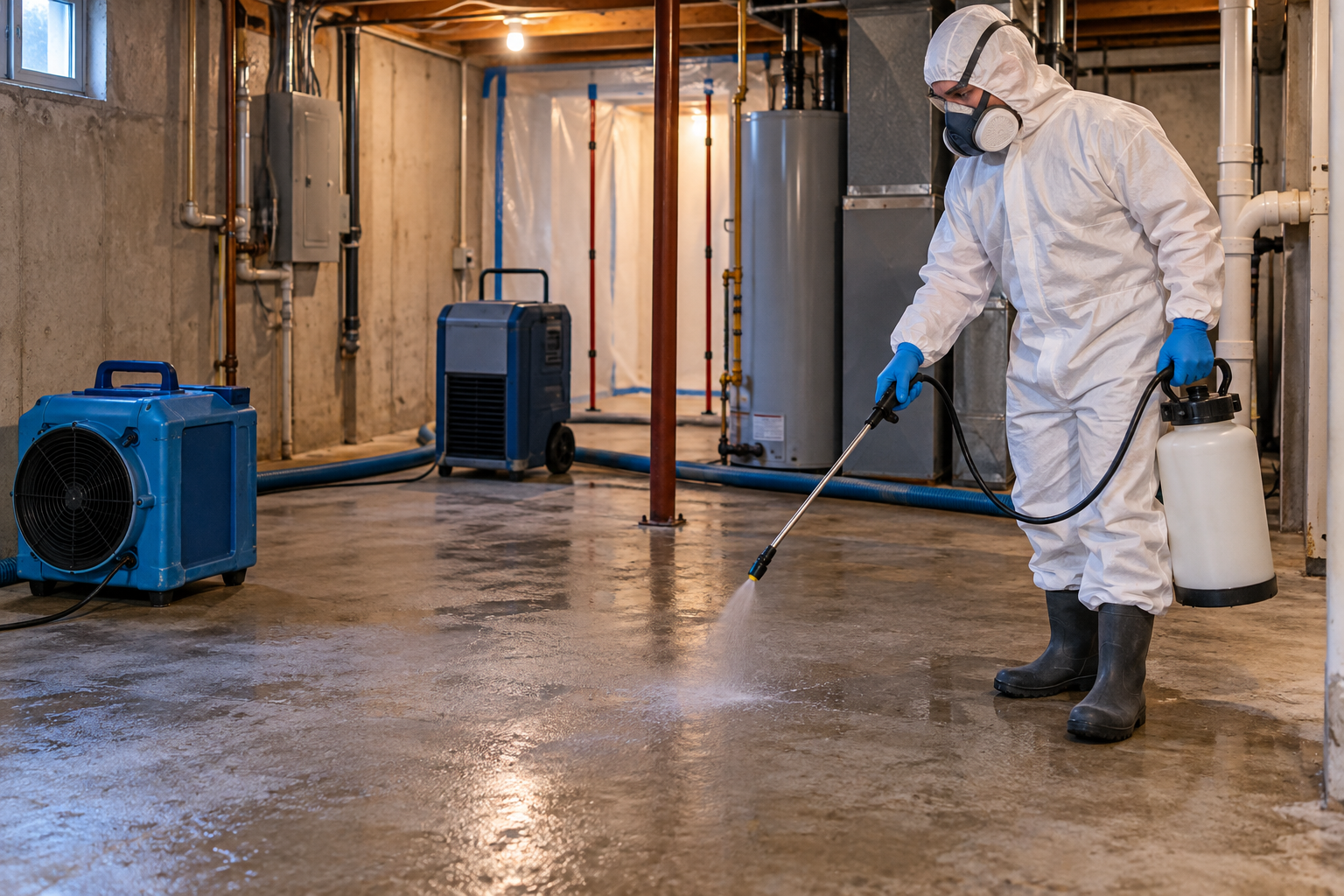
A sewage backup is not finished when the standing water disappears. Wastewater may move beneath flooring, into lower walls, and through porous materials, leaving contamination and moisture outside the visibly affected area. For homeowners in Trimble, Liberty, Smithville, and surrounding Kansas City Northland communities, professional cleanup focuses on making the affected space clean, dry, and properly documented — not simply removing the water.
The First Priority Is Controlling the Affected Area
Keep children, pets, and anyone without protective equipment away from the affected area. Avoid direct contact with wastewater, and do not use ordinary household vacuums or fans that may spread contaminated material. A technician can assess the source, the extent of the spread, and which surfaces or contents require attention.
Extraction Removes Wastewater but Not Every Hazard
Professional sewage extraction limits how long contaminated water remains in contact with the building. The crew then evaluates nearby flooring, drywall, insulation, cabinetry, and contents. Materials that cannot be safely cleaned may need controlled removal and proper disposal rather than being left to dry in place. Learn more about sewage cleanup in the Kansas City Northland and the services used for contaminated-water response.
Cleaning and Sanitizing Address What Extraction Leaves Behind
After wastewater and unsalvageable materials are removed, the remaining hard surfaces can be cleaned and treated with products appropriate for the conditions. This step targets contamination rather than covering the area with fragrance. Odor control also works best when the affected materials and source are addressed, not when the smell is temporarily masked.
Structural Drying Helps Prevent a Second Problem
Moisture can remain under flooring, along wall plates, and inside cavities after sanitation. Air movement, dehumidification, and repeat moisture readings help verify that the structure is drying appropriately. If a backup also causes widespread water intrusion, the company’s water damage restoration services explain how extraction, structural drying, and repair fit together.
Documentation Creates a Clear Record
Photos, moisture readings, and a written scope can help property owners understand what was affected and what work was completed. Depending on the policy and cause of loss, this documentation may also support an insurance conversation. Coverage varies, so homeowners should contact their carrier directly for guidance about their situation.
What to Do While Help Is on the Way
If it is safe to do so, stop using plumbing fixtures connected to the affected line and keep everyone out of the area. Do not move contaminated belongings through clean rooms. For a broader overview of causes, safety steps, and cleanup expectations, read Sewage Backup What Homeowners Should Know before attempting any cleanup yourself.
24/7 Sewage Cleanup Across the Northland
1-800 WATER DAMAGE of Kansas City North provides sewage extraction, contaminated material removal, cleaning and disinfection, structural drying, odor control, repair coordination, and project documentation. The locally owned and operated team has served the Northland since 2002 and responds throughout Trimble, Liberty, Smithville, and nearby communities.
Dealing with a sewage backup or contaminated-water emergency? Call 1-800 WATER DAMAGE of Kansas City North at 816-781-6760. A real person answers 24/7 and can explain what to avoid while the local team prepares to respond.